
The use of PVA continues to be popular with today's angler, there are many other uses for PVA than just bagging up
some bait tying it on your line and casting it out? Below are several ideas for you to try.....
PVA String and Tape
There are lots of easy and simple ways these can be used to great effect.
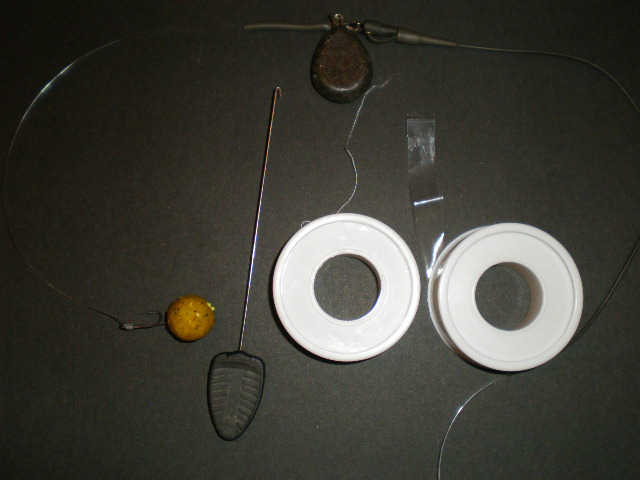
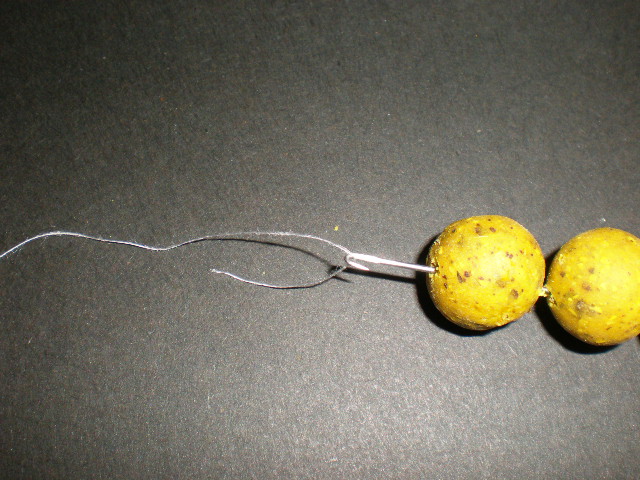
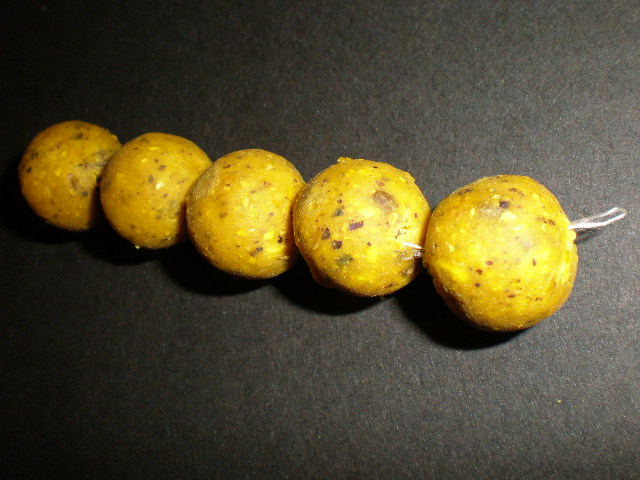
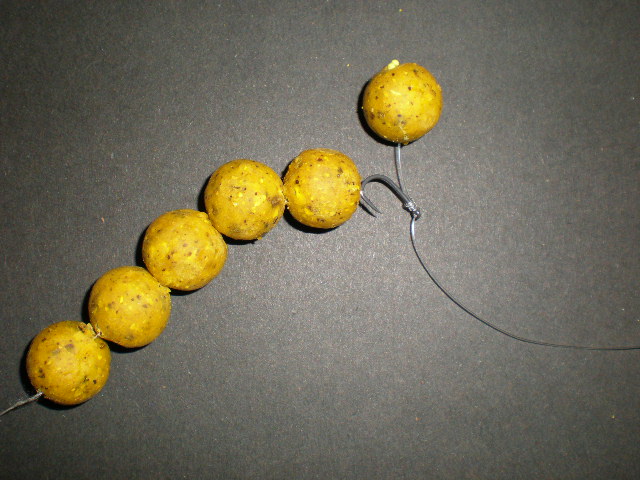
• The easiest and most common is the stringer - Thread approximately 4 to 5 hook baits (boilies, corn, meat, etc) on to a long baiting needle. Then fasten the PVA string or tape on to the hook of the baiting needle. Then feed the hook baits slowly on to the string or tape. Then simply tie one end of the PVA string or tape onto your hook or hair. All you have to do now is cast out your line. The PVA will melt in the water leaving bait around your hook.
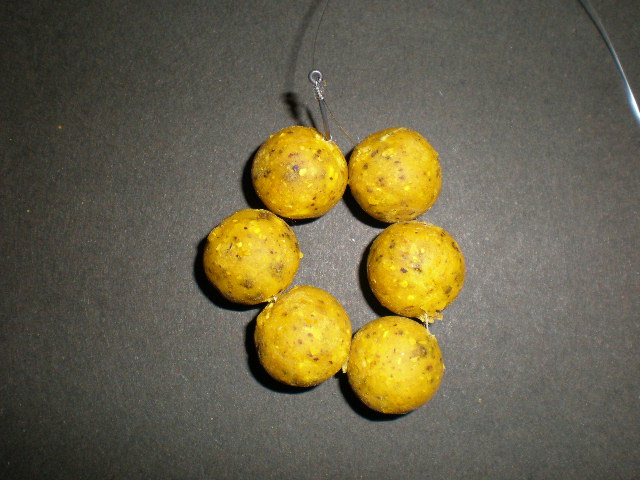
• The ring of pearls - Exactly the same instructions as the stringer but this time tie both ends onto your hook or hair. This time the bait will lie closer to your hook. Great for weedy waters.
• In line stringer - As above but the time tie one end on to your hook and the other end on to your safety clip or simply on your line.
 |
 |
 |
 |
 |
 |
PVA Mesh
This is my personal favourite PVA mesh it's so versatile and easy to use with devastating effects. There are two different sizes wide and narrow.
Wide PVA mesh
• Small boilie bag - This is great for baiting up directly around your hook. Ensure the PVA mesh is tied at one end of the tube then place approximately 8 boilies and 6 broken up boilies into the tube. Shake the tube and use a plunger to push your bait through the tube and into the PVA mesh forming a little PVA sausage. Pull the PVA mesh down then tie as close as you can to the bait. After tying, tie again so that your PVA mesh stays tied one side of the tube. Then take the PVA ball you have just made and put your hook through the mesh twist and feed it on to the hook again this should secure it to cast. If you are fishing using safety clips and find your losing ledgers attach the mesh bag to the safety clip so that it enters the water at the same time the weight does.
• Bait balls – Use the same method as small boilie bag but this time either throw them or use a catapult to bait up your swim.
Narrow PVA mesh
• Bait stick. This is great for use with maggots, Pellets, dry ground bait, etc. Ensure that the PVA mesh is tied one end of the tube. Insert your bait into the tube, approximately 4 inches deep in the tube. Hold the PVA mesh with one hand just tight enough so it doesn't come too easy off the tube but not tight enough so that you can't push the bait into it. Then use the plunger to push the bait through the tube and into the PVA mesh forming a PVA sausage. Pull the PVA mesh of the tube and tie a knot, and then tie a second knot so that the PVA mesh remains tied. Cut close to the knot. Use a long baiting needle and push it through the centre of the PVA mesh sausage when it is on the baiting needle hook your hook length on to it and pull the hook length through. The bait stick should now be on your hook length. Fasten your hook length back onto your clip, you are now ready to cast.
PVA Bags
These can be used in the same way as the PVA mesh but no need for a plunger or to tie knots in them. You can either hook them straight on to your hook or place your weight and hook length into the bag along with your bait. Some PVA bags have PVA string to pull the bag closed around your line others you will need to tie the bag yourself with either PVA string or tape.
 |
How to bait a hook
There are several common ways how to hook bait. This usual depends on what bait you wish to use and what fish you are going to target. For example fishermen who go carp fishing (part of course fishing there are many DVD's or books available on how to carp fish or how to catch a carp) would mainly use baits that sit on the bottom of the water either put directly onto the hook by threading the hook through the bait or they would hair rig the bait on to a small piece of line at the end of the hook, by hair rigging the bait the hook is left free and clear to hook the fish better.
Baiting and feeding the swim
Most carp feed a intervals through out the day. It is possible to learn the carp feeding times depending on how regularly you fish the water. It is always best to feed the swim, in which, you are fishing to attract as many fish as possible. This can be done in several ways loose feeding (throwing bait in by hand) by doing this the bait could land away from your hook bait, Spodding (using a spod and spod rod to launch large quantities of bait out) which can be very expensive and use a lot of bait and the use of PVA (polyvinyl alcohol) bags which can be filled with bait and attached to a PVA bag rig, by using PVA bags you are able to cast your line in with the bag attached which breaks down and allows the feed to sit across your rig right next to your hook bait (the most popular bags being solid PVA bags). Some of the best bait to use in PVA bags includes PVA friendly hemp which can be included in any PVA bag mix. If you're new to PVA fishing products keep a look out on our site for free PVA bags, string, mesh or other PVA items.
 |
PVA rigs
The best and most common PVA bag rig is the hair rig. This consists of approximately 6 inches long hook length, with the hook at the end leaving a hair for the bait to be fastened on to, a fixed weight this is all then fastened to the main line. Now how to use PVA bags - the best way of using PVA bags is to place your rig and weight, make sure these are dry or the PVA bag will melt before you get chance to cast it, then fill the PVA bag with PVA friendly bait (this could be PVA friendly hemp, dry pellets or ground bait). When you have filled the PVA bag to the level you want you can either use PVA string or PVA tape to tie the bag shut which also fastens it to your main line. You are now ready to cast take care not to let the PVA bag touch the water before you cast then just wait for the fish to bite.
 |
Copyright © 2009-2012 www.PVAProducts.co.uk